A Lifetime of Service and Honor: A WWII Veteran's Story
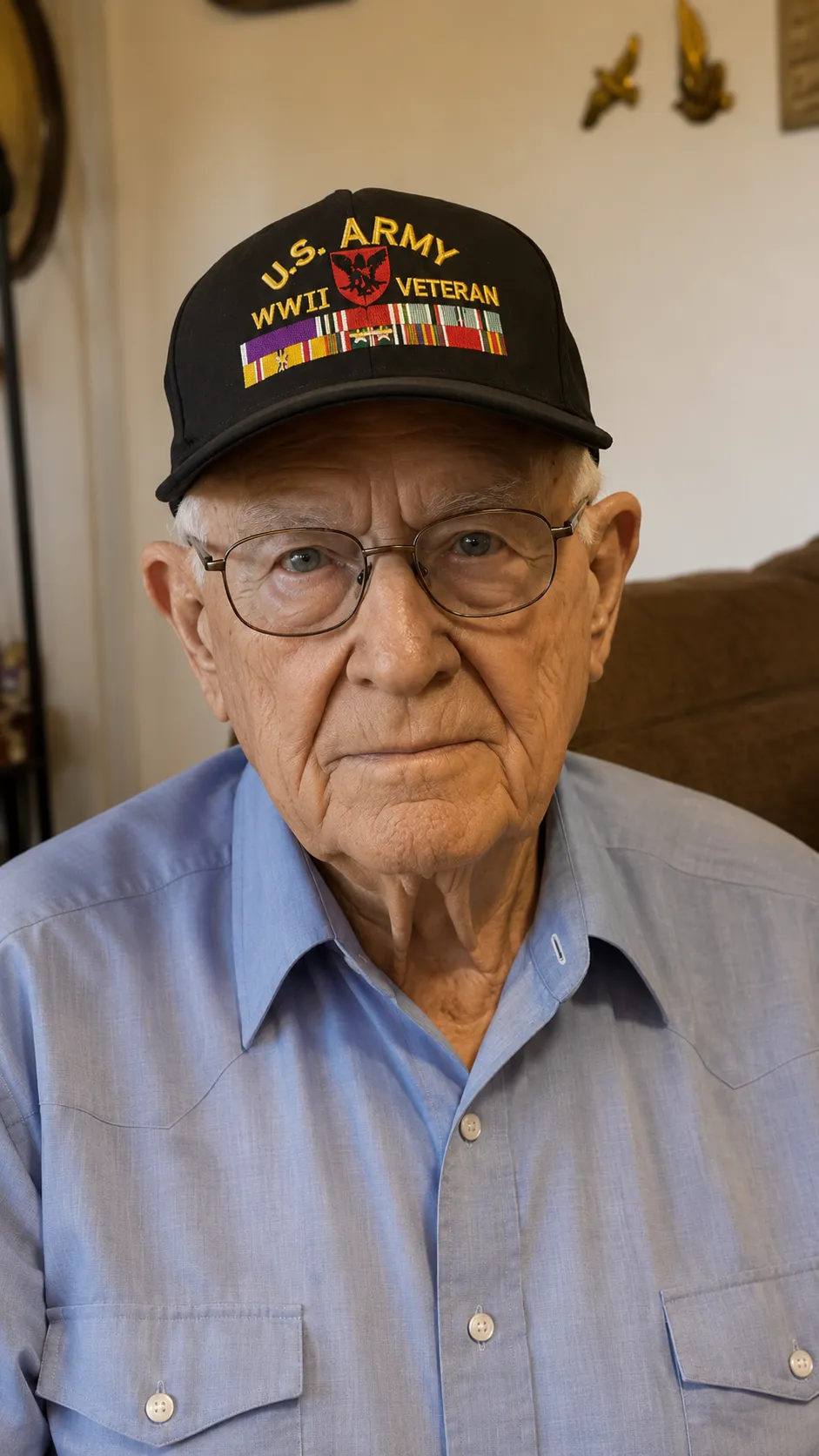
War and peacetime service alike demand sacrifice from families, not only from those who enlist. The U.S. Armed Forces veteran remembered here served during World War II, and those who waited at home learned patience that matched his own.
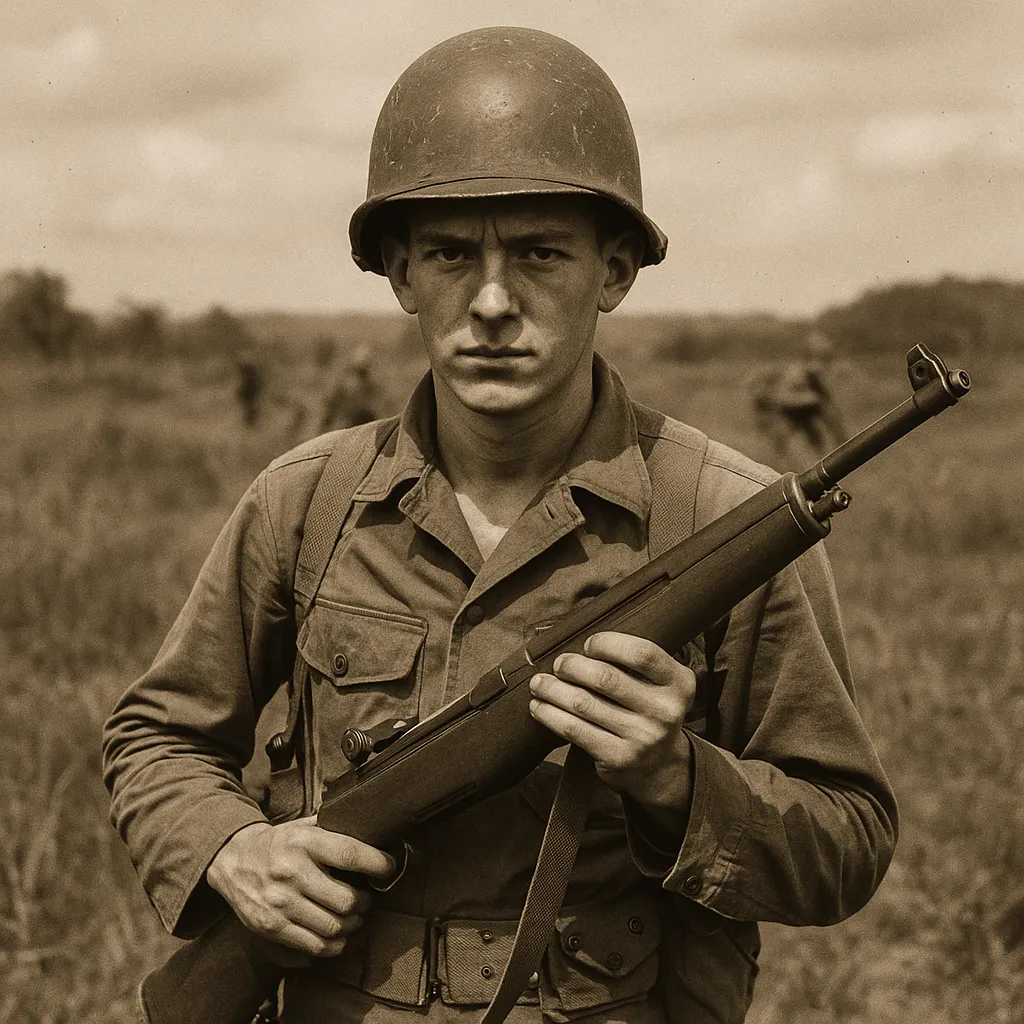
Before overseas assignment or advanced training, new members of the U.S. Armed Forces learned weapons safety, map reading, and the unspoken rule that the person beside you mattered more than any speech about patriotism.
Before the Uniform
Medical training, communications drills, and maintenance routines filled gaps between field exercises. The U.S. Armed Forces treated support skills as equal to combat tasks because logistics wins wars as surely as rifles.
Archivists recommend storing copies in two formats because players and software change. For families, the priority is simpler: keep the picture with names written on the back while memory is still sharp.
Coalition warfare introduced British, French, and other partners with their own doctrine and humor. Learning to work together was part of winning during World War II.
Years of Service
Weather influenced missions as much as enemy action. Forecasts affected air drops, amphibious landings, and whether a patrol could move at dawn.
Music traveled through platoons and berths: radios, harmonica players, and voices that could carry a chorus when instruments were scarce.
Even a brief clip can list dates, units, and bases that send listeners to maps and regimental histories. That curiosity is the point of sharing.
Buying a home through veteran loan programs turned service into collateral for stability. That paperwork, tedious at the time, shaped neighborhoods for decades.
Coming Home
Public welcome varied by era and town. Whether the return included a parade or a handshake at the bus station, the private work of adjustment continued long after cameras left.
He mentored younger veterans through benefits paperwork, interview clothing, and the questions recruiters prefer. That guidance rarely appeared in brochures but mattered immensely.
Libraries and historical societies recorded interviews where he checked dates against pocket notebooks. Accuracy mattered more than flattery.
Life Afterward
Photographs on his wall mixed weddings, graduations, and unit reunions—proof that life continued generously after service.
Gratitude lands best when paired with concrete help: transportation to clinics, fair hiring, and patient listening without turning a person into a prop.