Honoring a Life of Service: The Story of a WWII and Korean War Veteran
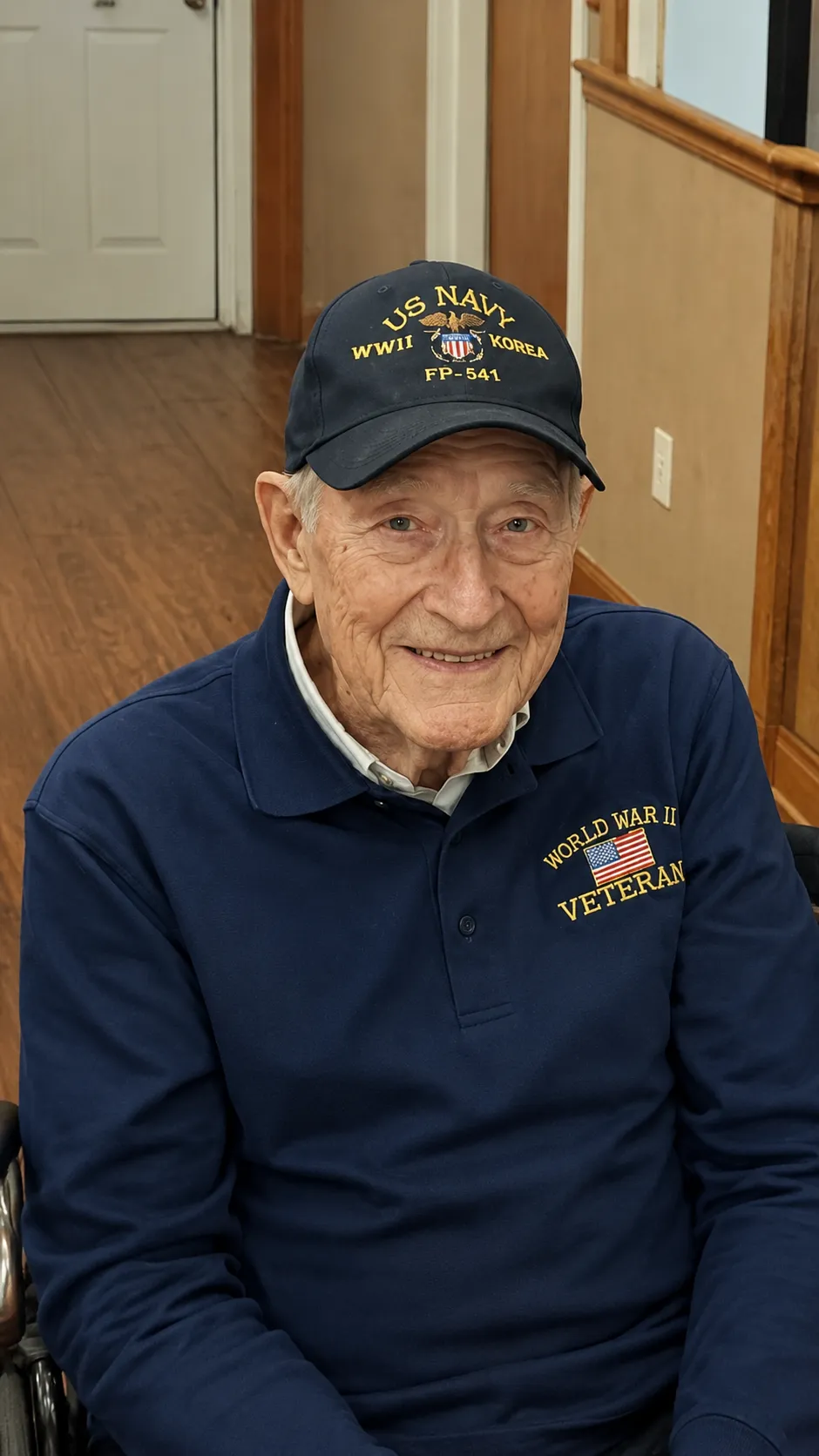
Some veterans speak freely about their years in uniform; others answer carefully, one question at a time. Both approaches are honored here as we trace U.S. Armed Forces service through World War II with respect for privacy and accuracy.
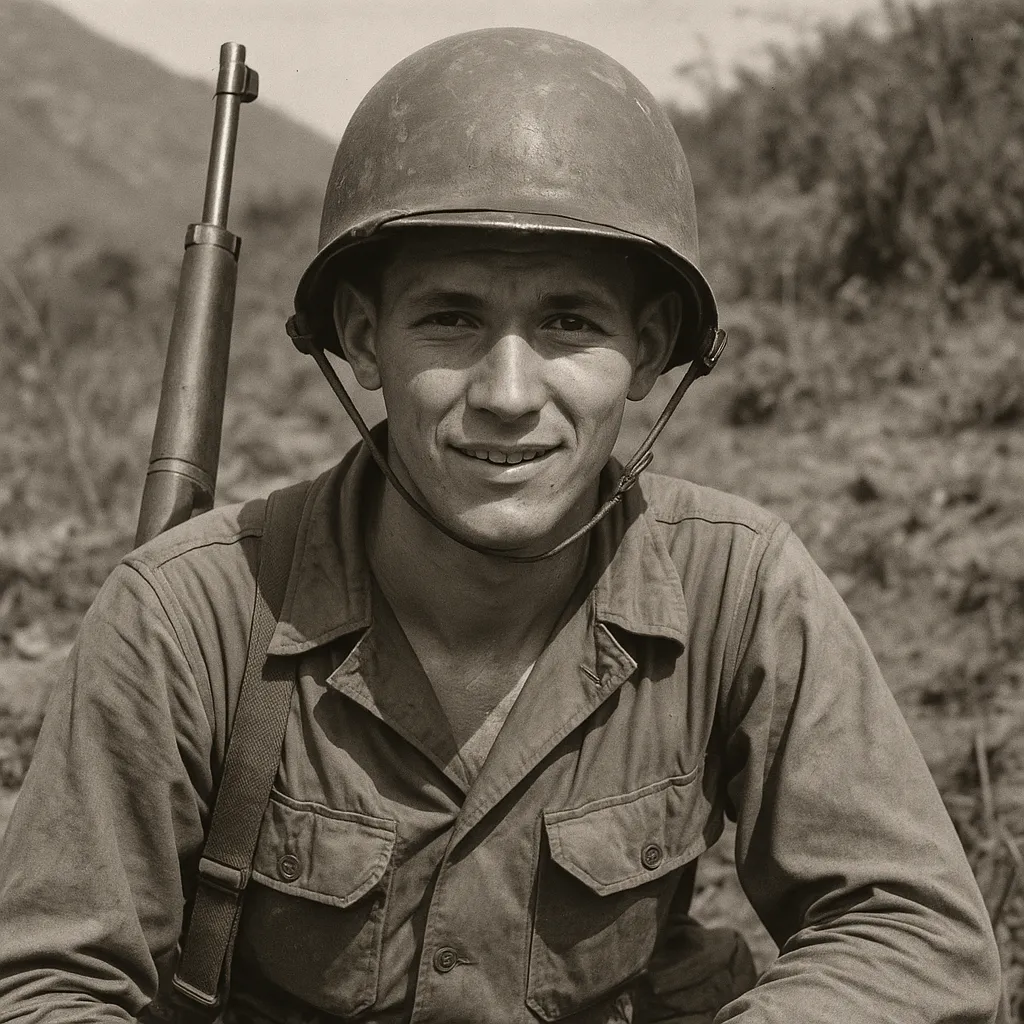
Training cadre pushed recruits through exercises that seemed repetitive until they were not. For U.S. Armed Forces personnel entering service during World War II, repetition built the reflexes that later situations would not allow time to rehearse.
Enlistment and Training
Inspections seemed petty until equipment failed in the field. U.S. Armed Forces culture during World War II rewarded soldiers and sailors who could explain every item in a footlocker or every gauge on a panel.
The image anchors conversation. Veterans point at faces and restart stories mid-sentence, correcting dates with pocket notebooks they have kept for half a century.
Weather influenced missions as much as enemy action. Forecasts affected air drops, amphibious landings, and whether a patrol could move at dawn.
On Duty
Replacement depots fed new soldiers into veteran divisions. Units rebuilt strength person by person, which is why roll calls at reunions still matter decades later. He entered World War II as a young enlistee and later shipped to Korea when the conflict there demanded veterans who already understood cold weather, supply lines, and the psychology of rotation. He rarely merged the two wars in one sentence, but family timelines show how each left different marks—European photographs beside Korean winter portraits in the same album.
Replacements arrived quietly and had to be integrated quickly. Veterans who survived long tours often measured time by how many new faces learned the unwritten rules.
Tone matters as much as words. Respectful listening—without interrupting to praise or debate—honors the speaker more than applause alone.
Public welcome varied by era and town. Whether the return included a parade or a handshake at the bus station, the private work of adjustment continued long after cameras left.
Return to Civilian Life
Coming home was not one celebration but a sequence: medical out-processing, travel orders, reunions joyful and awkward, and the slow work of explaining experiences civilians could not fully picture.
Libraries and historical societies recorded interviews where he checked dates against pocket notebooks. Accuracy mattered more than flattery.
Memorial Day and Veterans Day were not nostalgia alone—they were chances to verify names on honor rolls and notice who was missing from the table.
Remembering Together
He believed communities honor veterans best by hiring them, listening to them, and fixing bureaucratic delays at the VA without making them fight alone.
Wars end on paper long before they end in memory. Respect for veterans includes respecting their full lives, not only their uniforms.