A Lifetime of Service: The Story of a Dedicated Veteran
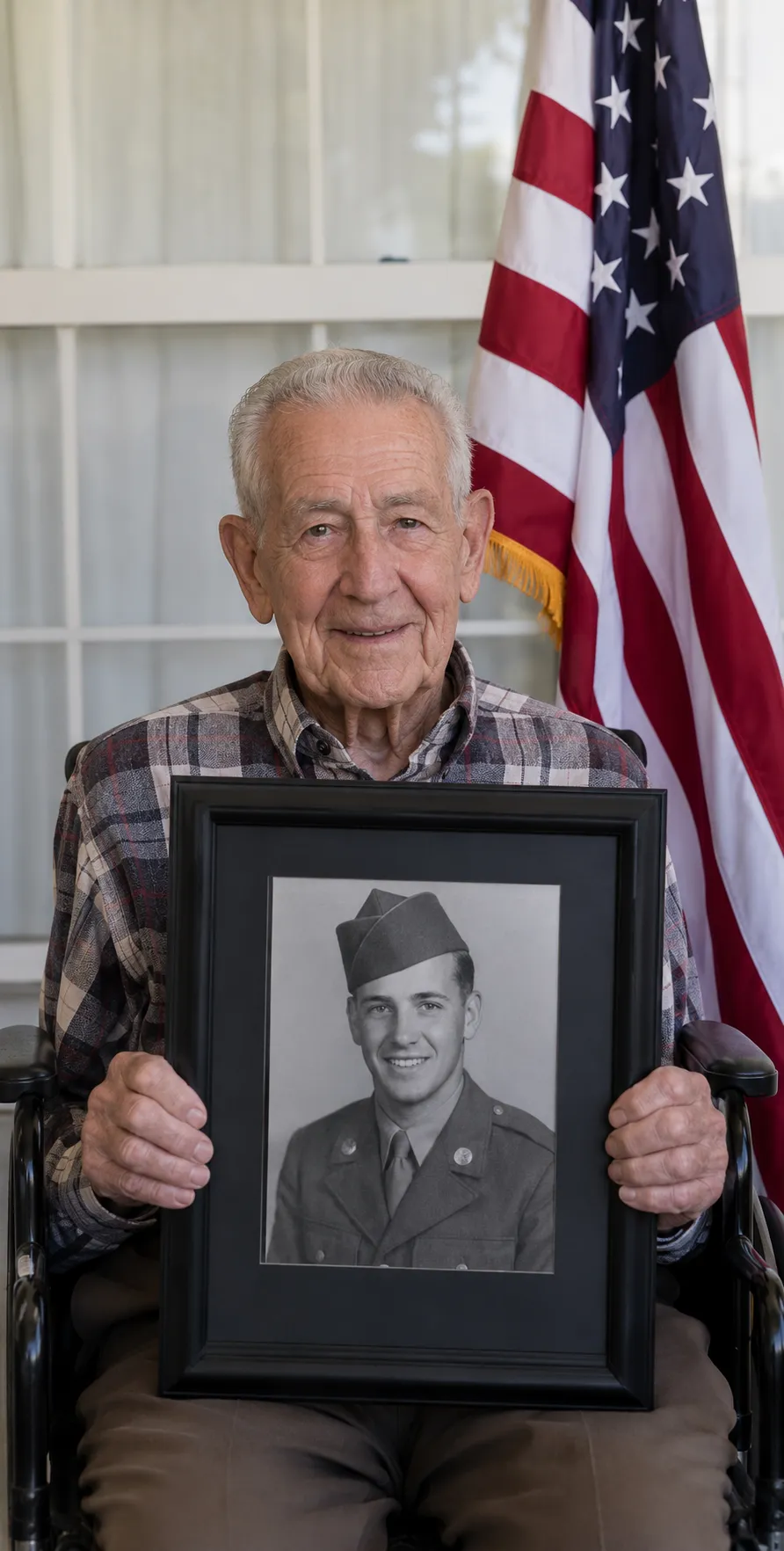
Uniforms change; the expectation of service does not. A U.S. Armed Forces veteran of the Cold War and postwar era is remembered here through enlistment, field duty, and the ordinary work of rebuilding a civilian routine.
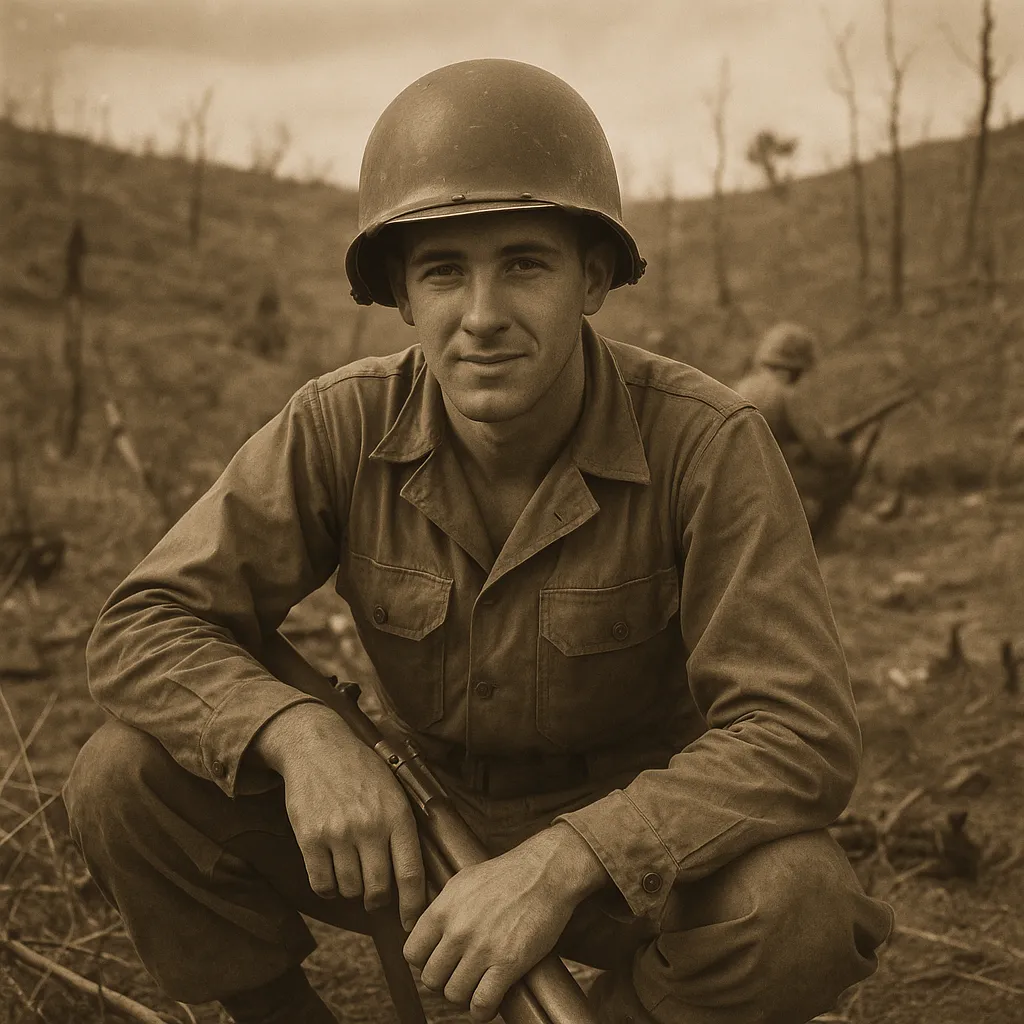
Specialty assignments followed basic training: infantry, logistics, communications, or another field the U.S. Armed Forces needed during the Cold War and postwar era. Each pipeline had its own instructors, jargon, and pride.
From Civilian to Soldier
Graduation from a training cycle meant orders, travel, and the first real sense of destination. For U.S. Armed Forces members during the Cold War and postwar era, those orders might point to a replacement depot, a ship, or an airfield overseas.
Museum scanners capture tones that reveal whether a backdrop is a studio cloth or a supply tent wall. Either setting tells something about where the U.S. Armed Forces member stood in the timeline of the Cold War and postwar era.
Veterans often say the military gave them a trade, a credential, or simply the confidence to speak plainly when others hesitated.
Field and Fleet
Assignments during the Cold War and postwar era ranged from garrison duty to overseas rotations that families tracked on kitchen calendars. Structure—inspections, maintenance, qualifications—kept units ready.
After discharge, phone calls to former comrades continued for decades, tapering only as addresses changed and voices aged.
Families save clips like this on shared drives so relatives far away can hear the same phrasing and laugh at the same aside. Archives recommend backing up files in more than one place.
Spouses managed households alone for months or years, then negotiated shared decisions again when reunion replaced routine. Patience on both sides mattered.
Reentry
Children who mailed drawings overseas met a parent changed by distance and responsibility. Rebuilding everyday trust took time and small rituals—bedtime stories, weekend chores, honest answers.
Grandchildren learned to stand quietly during anthems because he modeled respect without lecturing. Habits traveled generations that way.
He corrected documentary errors about insignia or campaigns when accuracy slipped. Quiet correction protected unit memory.
Passing It On
Looking back, he said the proudest moments were rarely the loudest—finishing a mission, bringing a replacement up to speed, or making sure a family received a telegram answered promptly.
Accurate remembrance resists flattery. It requires dates, humility, and the willingness to say “I don’t remember” when detail is gone.