A Tribute to a World War II Veteran: From Training to Victory
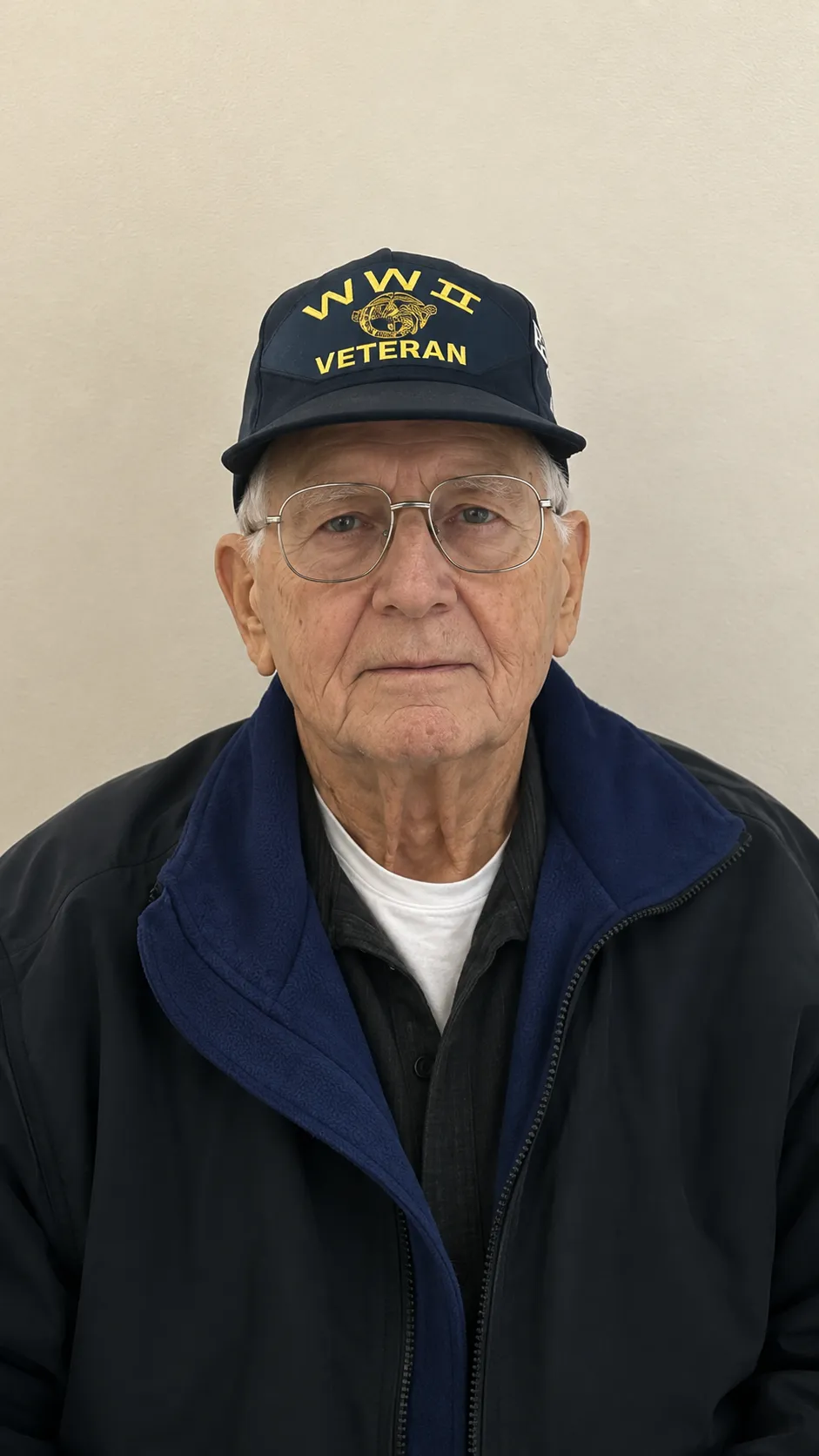
Older veterans sometimes say the public thanks them too broadly and asks too few specific questions. This profile attempts the opposite: a clear look at U.S. Armed Forces service during World War II, written for relatives who want context and for readers who want history without slogans.
The first time he wore the uniform in public—at a bus station or airport—he felt both conspicuous and anonymous. That dual sensation stayed common for U.S. Armed Forces personnel throughout World War II.
The Decision to Serve
Drill instructors and company commanders set the tone: respect the weapon, respect the team, respect the mission. U.S. Armed Forces training during World War II was not cinematic; it was repetitive, sweaty, and occasionally tedious—exactly as real preparation should be.
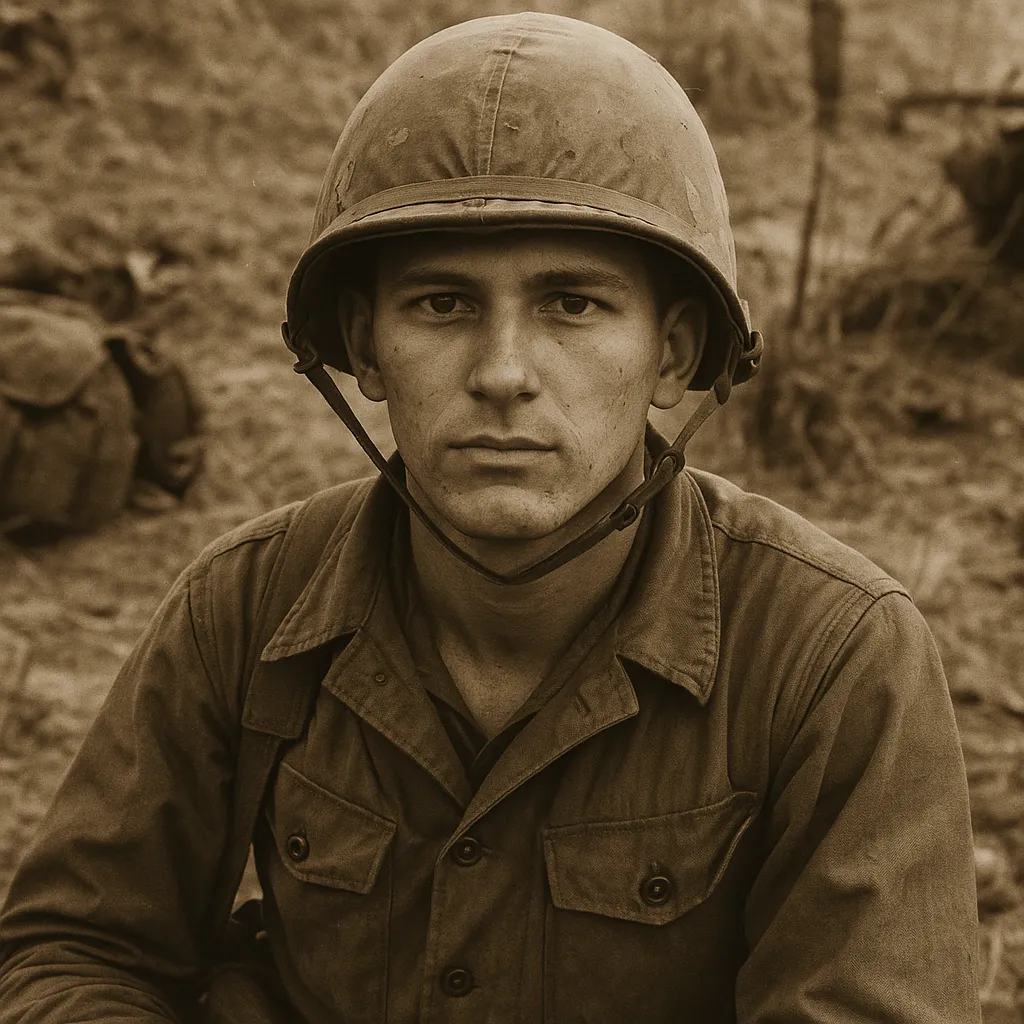
Family albums often hold a picture like this beside discharge papers and train tickets from the same season. The expression on his face—alert but calm—is one relatives recognize from later decades.
European theater assignments could mean long marches, artillery fire, and towns liberated with cautious relief. Pacific assignments brought different terrain, different diseases, and different ship schedules.
Duty During World War II
Army Air Forces crews counted returning bombers aircraft by aircraft. Sailors tracked convoy duty and submarine alerts. Infantrymen tracked ground gained in yards, not miles.
Shared guard shifts created trust without speeches. You learned who stayed awake, who told the truth after mistakes, and who could repair morale with a bad joke at the right moment.
Subtitles help students follow terminology that is no longer everyday speech. Teachers use such clips to connect textbook timelines to lived experience.
Employers who understood military experience gained employees who finished tasks and watched out for teammates. Others needed help translating skills into civilian language—a task veterans organizations tackled.
Homecoming
Some veterans hid medals in drawers, preferring to be known as coach, machinist, teacher, or neighbor first. Identity after uniform is personal and should not be forced.
Scholarship funds, food pantries, and youth programs benefited from time he volunteered without seeking credit.
When asked what he wanted remembered, he often named friends who did not return—redirecting praise toward absence that still ached.
What Endures
Grandchildren who once asked only about weapons later asked about fear and friendship. He answered both honestly, separating Hollywood from memory.
If this story matches someone in your family, write down three place names and two dates while memory is still clear. Future relatives will search for specifics, not adjectives.