A Legacy of Courage: The Journey of a WWII Veteran
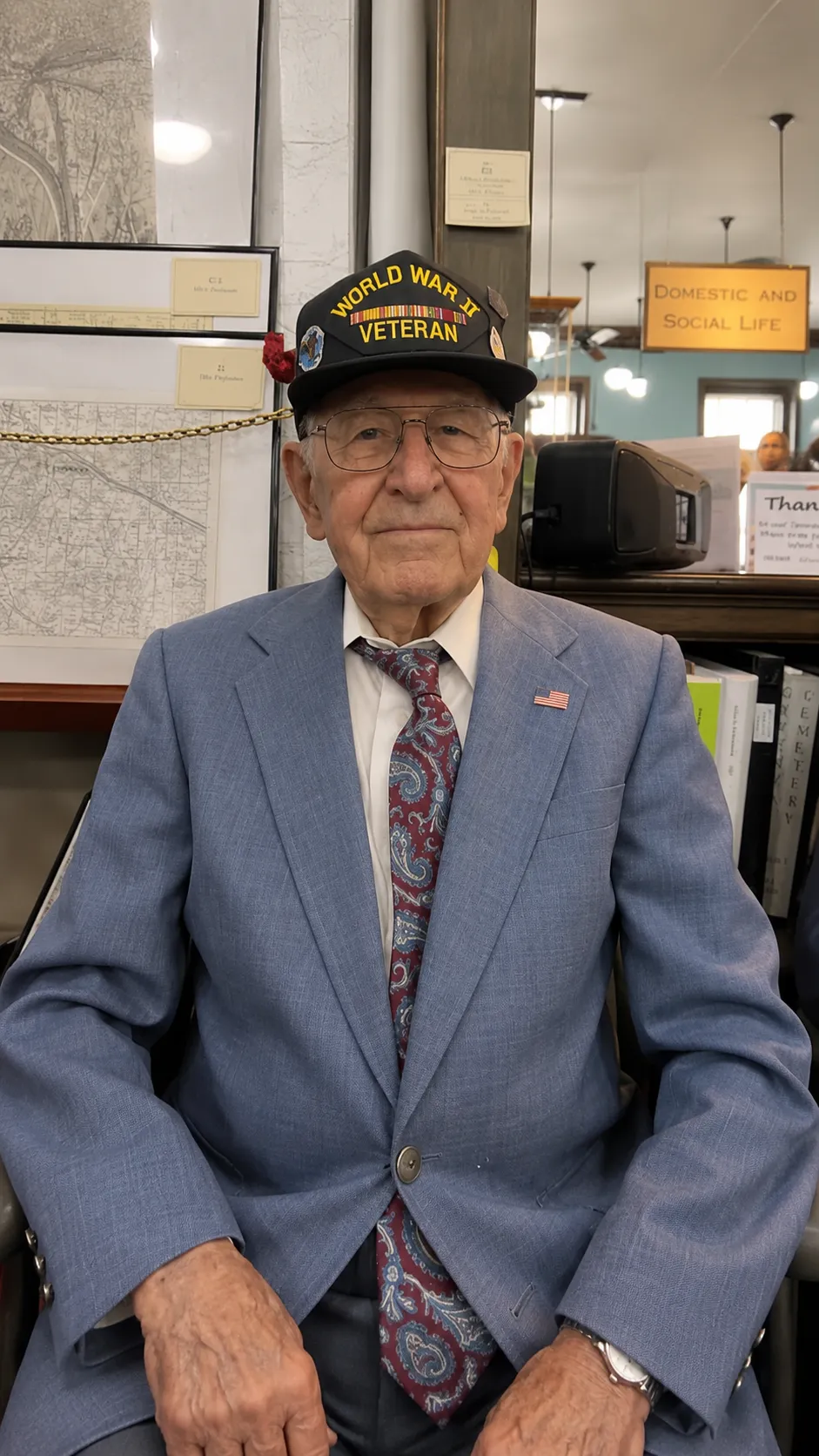
Local posts and veterans halls still host coffee groups where service is discussed in plain language. The experiences summarized below belong to a U.S. Armed Forces member of World War II whose record deserves more than a generic thank-you.
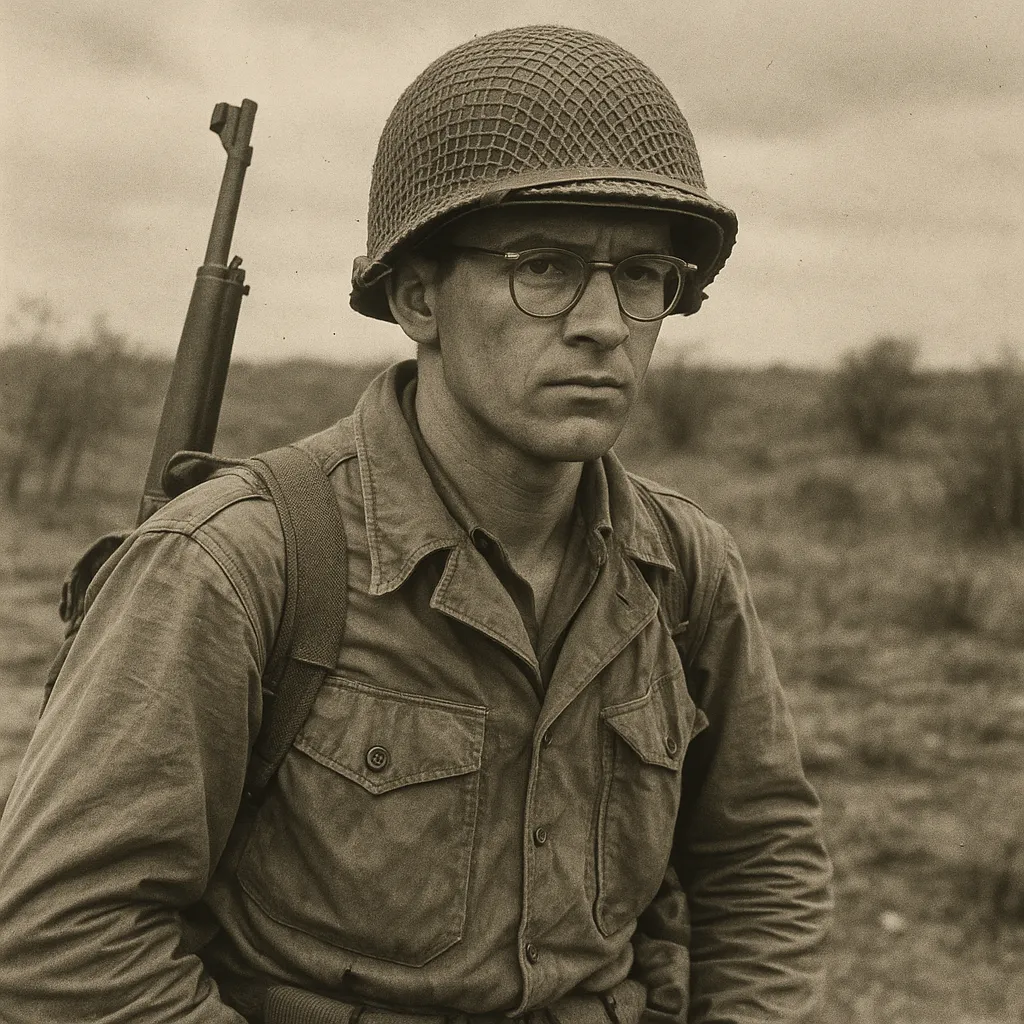
Some entered the U.S. Armed Forces straight from high school; others from farms, factories, or college campuses interrupted by wartime. The mix of backgrounds became part of unit identity during World War II.
The Early Years
Team assignments mixed men from different regions, which accelerated friendships forged through shared fatigue. Accents, recipes, and superstitions traveled across platoons and decks.
Comparing the photo to unit yearbooks can confirm company assignment when memory disagrees. Small discrepancies are common; the goal is accuracy, not perfection.
Replacement depots fed new soldiers into veteran divisions. Units rebuilt strength person by person, which is why roll calls at reunions still matter decades later.
Deployment
Occupation duty after surrender involved disarmament, documentation, and slow transitions toward peacetime law. Not everyone came home immediately when the guns fell silent.
Humor could be dark yet protective—a way to speak about fear without naming it directly. Outsiders sometimes misunderstood; insiders recognized the kindness inside the joke.
If you are related to the veteran shown or described, consider transcribing the video while voices are still clear. Future searches depend on text as much as on film.
Coming home was not one celebration but a sequence: medical out-processing, travel orders, reunions joyful and awkward, and the slow work of explaining experiences civilians could not fully picture.
Home Again
Discharge brought civilian clothes that felt light, schedules without bugle calls, and job searches that valued punctuality learned in uniform. Some used education benefits; others returned to family trades.
Memorial Day and Veterans Day were not nostalgia alone—they were chances to verify names on honor rolls and notice who was missing from the table.
Skills honed in service—logistics, calm under alarms, training newcomers—translated into fire departments, factories, classrooms, and small businesses.
Community Years
Winter mornings often found him at the kitchen table with coffee, sorting coupons for veterans halls and clipping obituaries of men he had not seen in decades but still remembered clearly.
Every town maintains a list waiting for short paragraphs behind the names. One story at a time is how public memory stays honest.