Honoring a WWII Veteran's Legacy: Army Air Corps Service
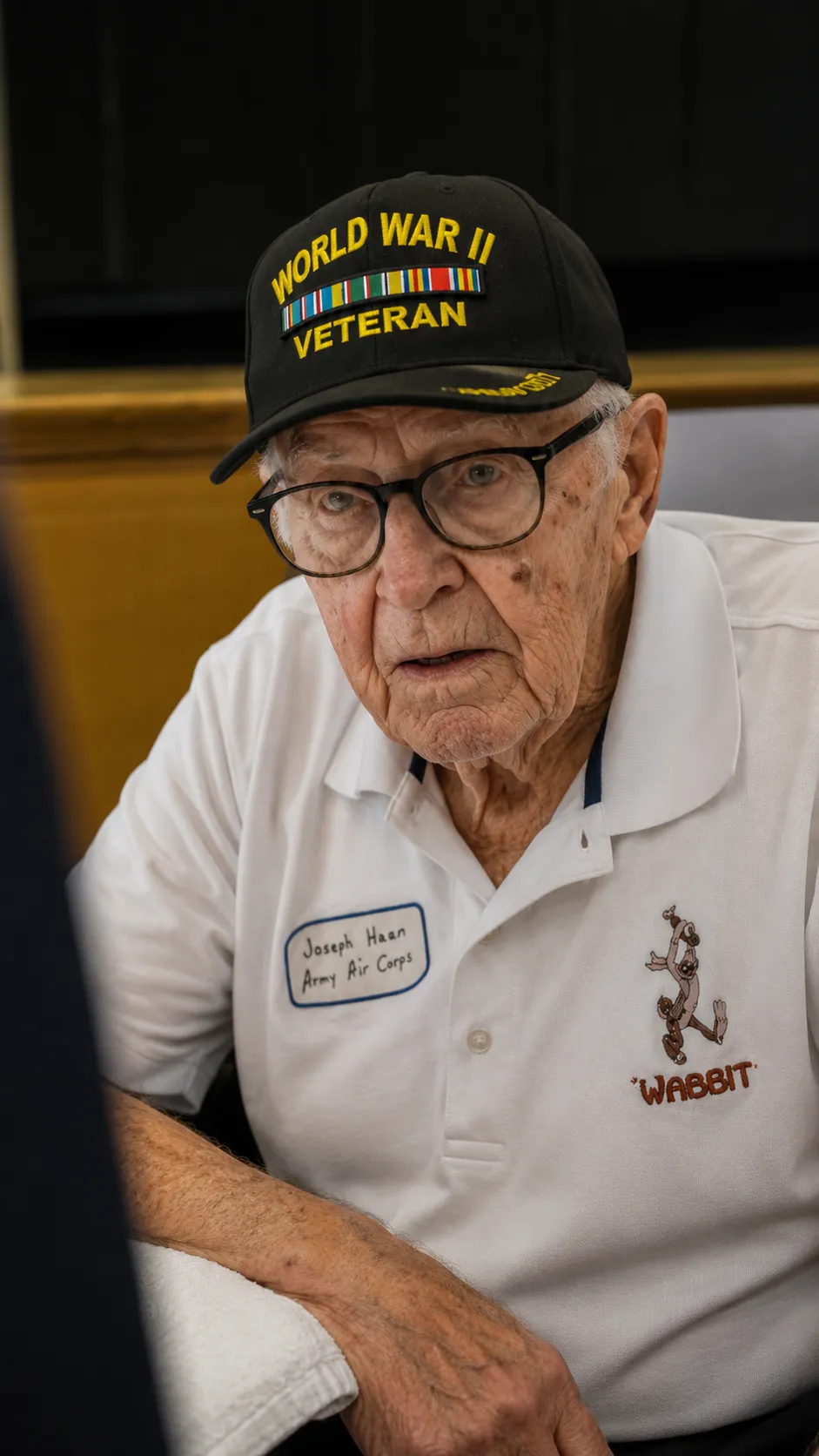
Airpower in World War II depended on crews, maintainers, and planners as much as on pilots alone. The veteran remembered here served with the U.S. Air Force, when missions required hours of preparation for minutes of action. He kept logbooks and photographs that treat ground crews with the same respect as aircrew.
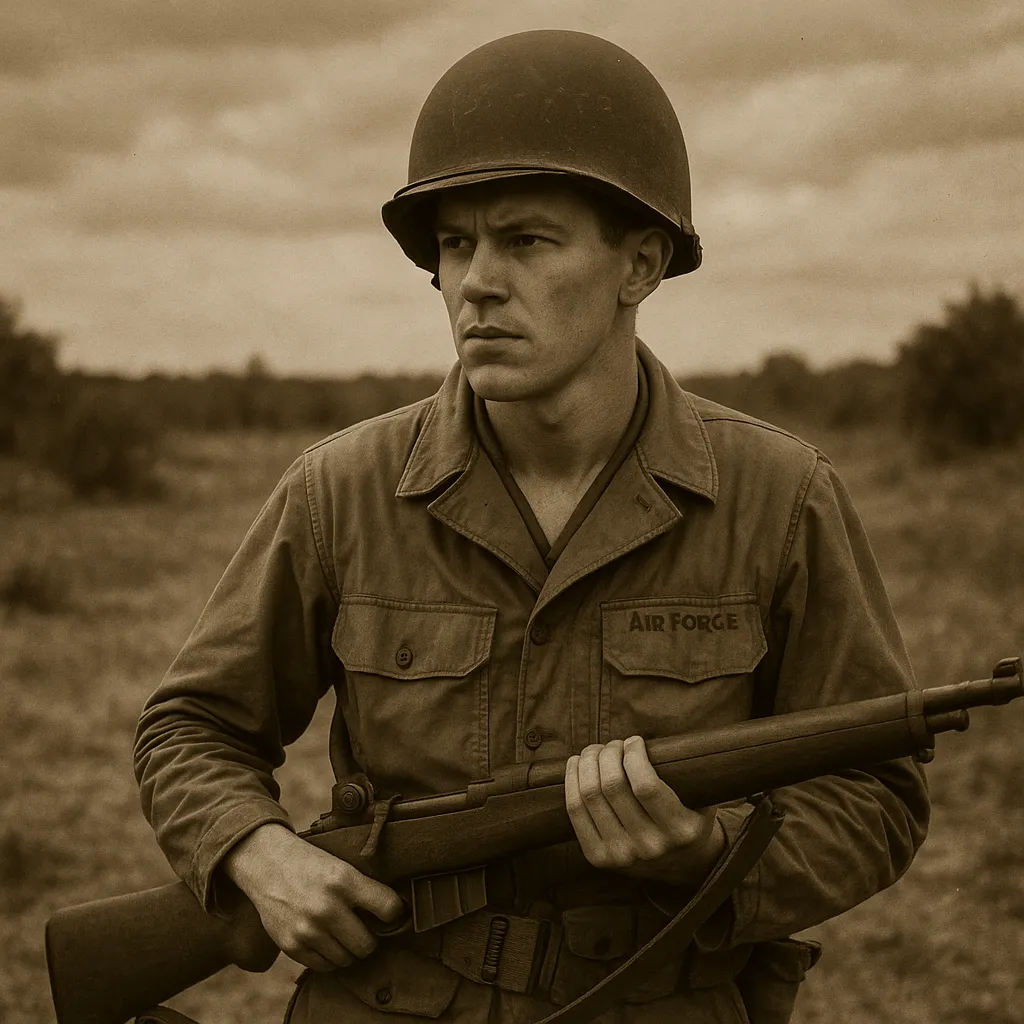
Initial orders listed a reporting date, a travel voucher, and a sense that life had narrowed to a schedule someone else wrote. That transition—from civilian to service member—remains one of the most remembered weeks of a U.S. Air Force career.
Answering the Call
Instructors repeated that discipline protected the person next to you more than it flattered command. That lesson—delivered loudly in garrison—became quiet habit overseas.
Creases on the print suggest it traveled in a wallet or footlocker through World War II. That journey—from field to home—mirrors the larger story of service and return.
Occupation duty after surrender involved disarmament, documentation, and slow transitions toward peacetime law. Not everyone came home immediately when the guns fell silent. His Army Air Forces service tied him to bomber groups and maintenance squadrons that kept fleets flying on tight schedules.
In Service
The GI Bill awaited many returnees, though not every benefit was easy to access. Education, housing, and health care became the next battles—fought in offices rather than fields.
Religious services, when held, drew mixed crowds seeking quiet more than doctrine. Chaplains learned to serve many beliefs with the same steady presence.
The video paired with this story captures voice and gesture in ways a still photograph cannot. Hearing cadence and pauses helps listeners understand which memories remain vivid and which are offered carefully.
Discharge brought civilian clothes that felt light, schedules without bugle calls, and job searches that valued punctuality learned in uniform. Some used education benefits; others returned to family trades.
Back Home
Spouses managed households alone for months or years, then negotiated shared decisions again when reunion replaced routine. Patience on both sides mattered.
Skills honed in service—logistics, calm under alarms, training newcomers—translated into fire departments, factories, classrooms, and small businesses.
Grandchildren learned to stand quietly during anthems because he modeled respect without lecturing. Habits traveled generations that way.
A Lasting Example
When asked what he wanted his legacy to be, he said simply: “That I was there when needed, before and after the uniform.”
Shared links to this page can start conversations at reunions and kitchen tables. Carry questions, not only compliments, when you meet someone who served.