Honoring a World War II Hero: Front-Line Service
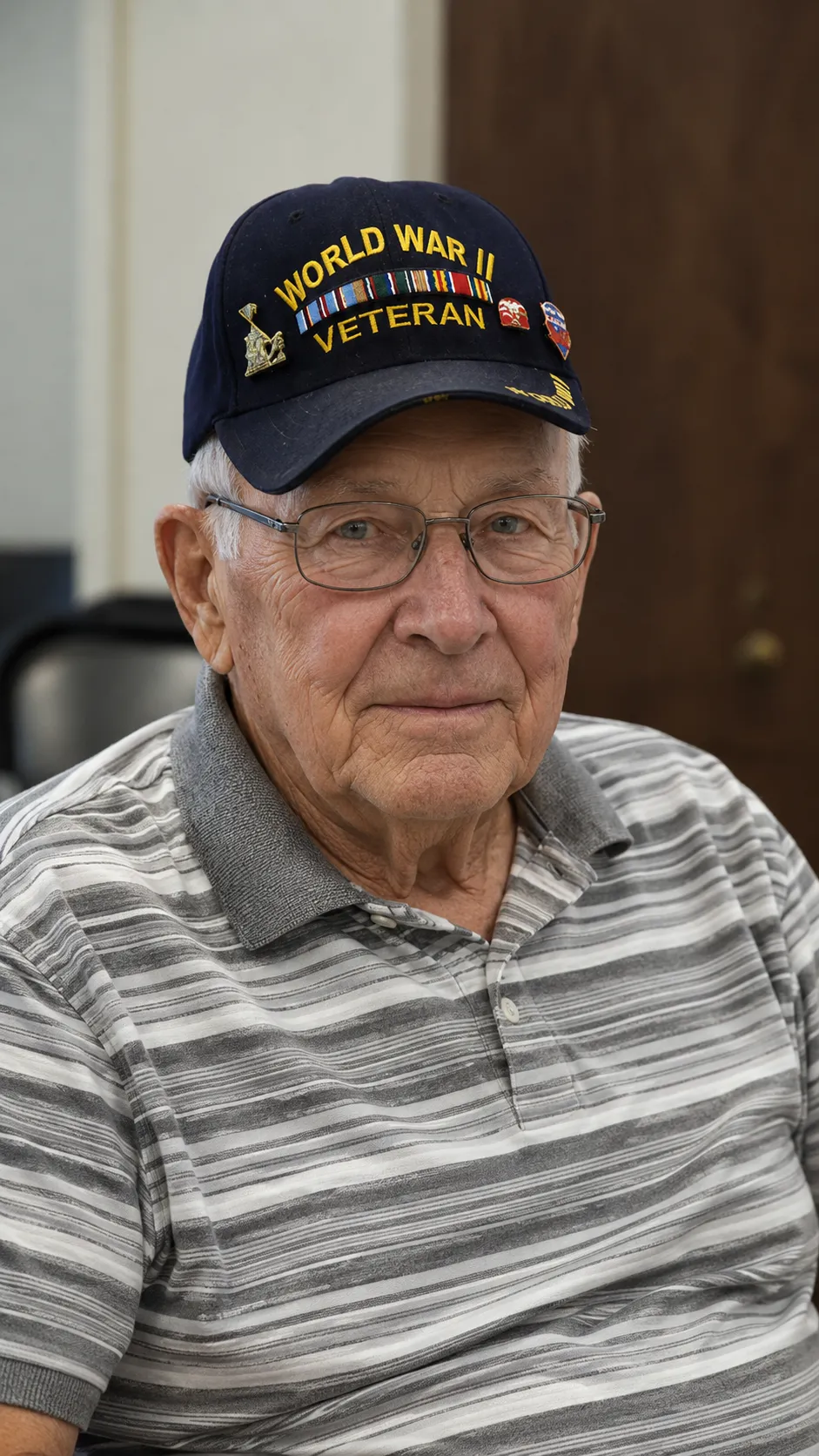
The title above frames a life in uniform, yet no single headline captures every deployment, every promotion, or every quiet act of help after discharge. This narrative follows a U.S. Armed Forces veteran whose World War II service became the foundation for later community work.
Physical training, classroom blocks, and field problems filled the calendar. By graduation from advanced schooling, U.S. Armed Forces members could perform tasks that would have seemed impossible months earlier.
Training Days
Specialty badges and qualification tabs marked progress. Each one represented hours on ranges, in simulators, or in classrooms that civilians rarely saw.
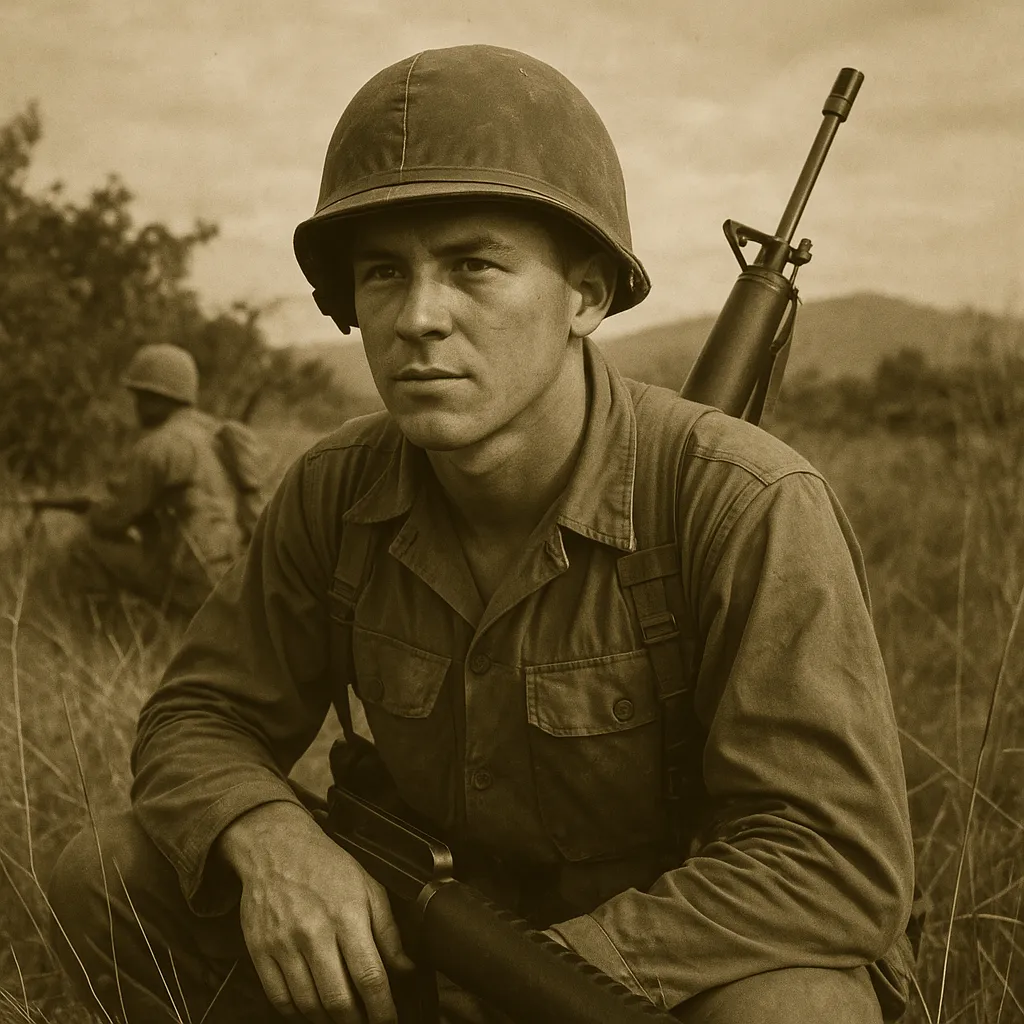
The photograph included here likely dates from training or an early deployment period. Uniform cut, cap style, and insignia help historians place the image even when the back of the print lacks a precise date.
In 1944 and 1945, many Americans overseas counted mail call as the week’s brightest moment. Letters proved that home still existed beyond headlines and ration books.
Overseas and Stateside
European theater assignments could mean long marches, artillery fire, and towns liberated with cautious relief. Pacific assignments brought different terrain, different diseases, and different ship schedules.
Mail call bound units together. One letter read aloud might mention a baby crawling for the first time while someone three bunks over received news of a parent’s illness.
Watching together can prompt questions grandchildren might never ask in a noisy holiday kitchen. A quiet screen sometimes opens quieter conversation.
Not every transition was smooth. Hearing loss, joint injuries, or delayed-onset conditions appeared in medical records years later. Steady care and steady work helped many thrive.
Building Anew
Employers who understood military experience gained employees who finished tasks and watched out for teammates. Others needed help translating skills into civilian language—a task veterans organizations tackled.
Unit associations and online groups kept photographs circulating long after reunions ended. Digital archives extended kitchen-table albums.
Scholarship funds, food pantries, and youth programs benefited from time he volunteered without seeking credit.
Keeping the Record
Age slowed travel to reunions but not interest in them. He still called shipmates and squad mates on birthdays, reading numbers from a notebook whose cover had faded.
However you found this page—search, social share, or family handoff—treat it as a beginning. The richest history still lives in voices nearby.