A Journey Through Time: Honoring a Veteran's Legacy
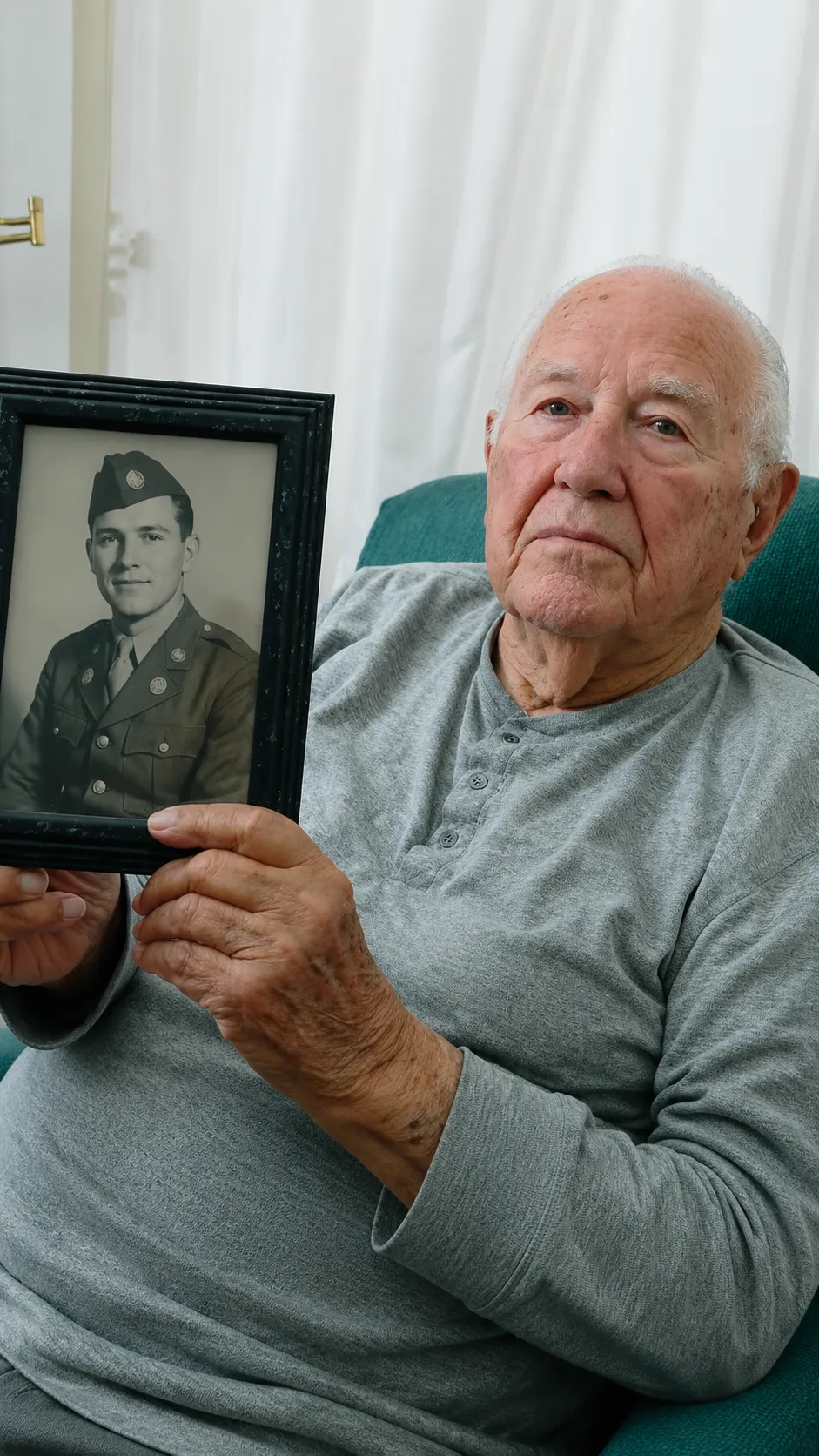
Small businesses, churches, and schools in every state rely on veterans who bring order and calm. One such U.S. Armed Forces veteran of the Cold War and postwar era is profiled here—not as a symbol, but as a person with a traceable path.
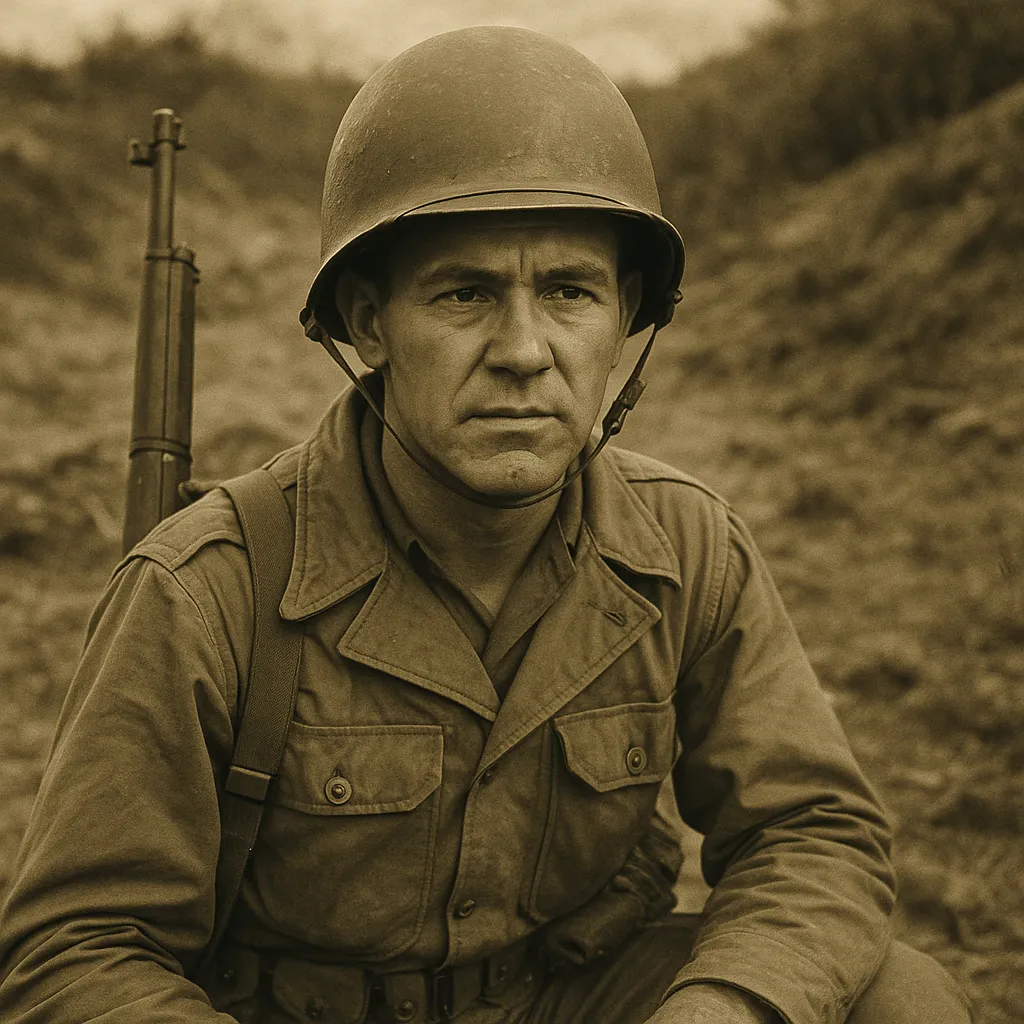
The first time he wore the uniform in public—at a bus station or airport—he felt both conspicuous and anonymous. That dual sensation stayed common for U.S. Armed Forces personnel throughout the Cold War and postwar era.
The Decision to Serve
Drill instructors and company commanders set the tone: respect the weapon, respect the team, respect the mission. U.S. Armed Forces training during the Cold War and postwar era was not cinematic; it was repetitive, sweaty, and occasionally tedious—exactly as real preparation should be.
Family albums often hold a picture like this beside discharge papers and train tickets from the same season. The expression on his face—alert but calm—is one relatives recognize from later decades.
Noncommissioned officers translated officer intent into checklists privates could execute at midnight without confusion.
Duty During the Cold War and postwar era
Community relations projects connected installations with nearby towns through sports leagues, volunteer days, and open houses.
Shared guard shifts created trust without speeches. You learned who stayed awake, who told the truth after mistakes, and who could repair morale with a bad joke at the right moment.
Subtitles help students follow terminology that is no longer everyday speech. Teachers use such clips to connect textbook timelines to lived experience.
Employers who understood military experience gained employees who finished tasks and watched out for teammates. Others needed help translating skills into civilian language—a task veterans organizations tackled.
Homecoming
Some veterans hid medals in drawers, preferring to be known as coach, machinist, teacher, or neighbor first. Identity after uniform is personal and should not be forced.
Scholarship funds, food pantries, and youth programs benefited from time he volunteered without seeking credit.
When asked what he wanted remembered, he often named friends who did not return—redirecting praise toward absence that still ached.
What Endures
Grandchildren who once asked only about weapons later asked about fear and friendship. He answered both honestly, separating Hollywood from memory.
If this story matches someone in your family, write down three place names and two dates while memory is still clear. Future relatives will search for specifics, not adjectives.