Honoring a Lifetime of Service: Decades in Uniform
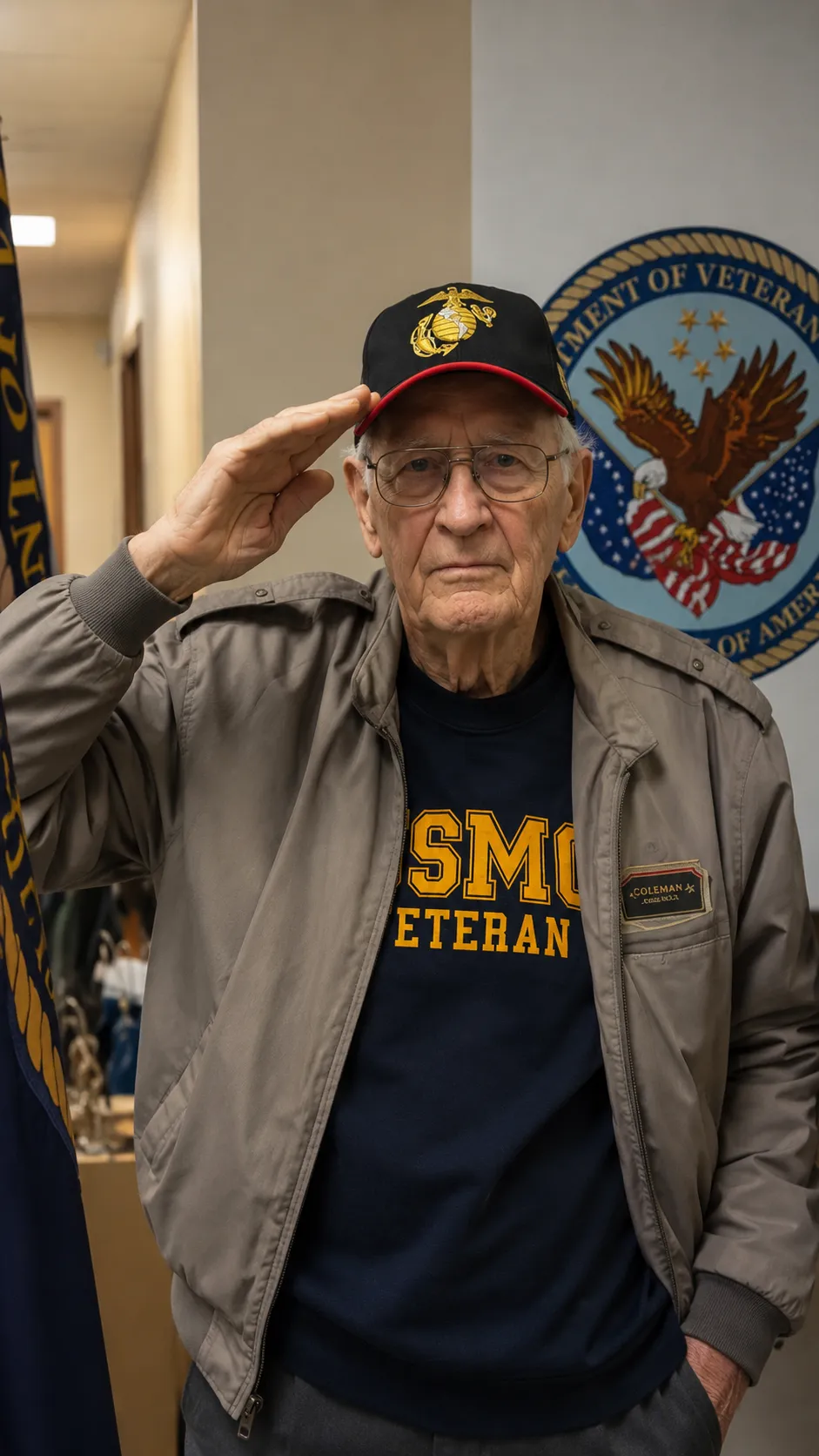
History books summarize wars in campaigns and dates; families remember them in smaller pieces—a seabag in an attic, a folded flag, a story told after dessert. This account follows a U.S. Armed Forces veteran whose service during the Cold War and postwar era shaped both public duty and private character.
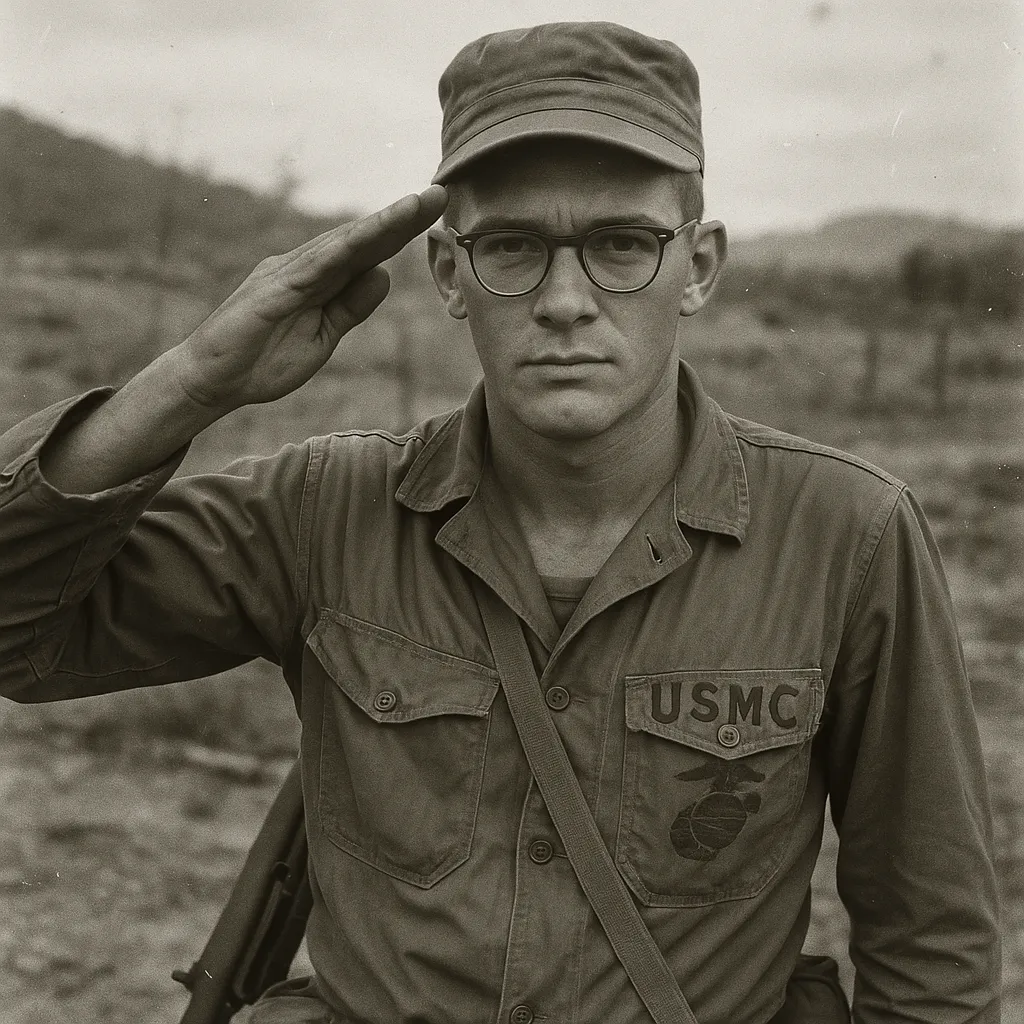
Training cadre pushed recruits through exercises that seemed repetitive until they were not. For U.S. Armed Forces personnel entering service during the Cold War and postwar era, repetition built the reflexes that later situations would not allow time to rehearse.
Enlistment and Training
Inspections seemed petty until equipment failed in the field. U.S. Armed Forces culture during the Cold War and postwar era rewarded soldiers and sailors who could explain every item in a footlocker or every gauge on a panel.
The image anchors conversation. Veterans point at faces and restart stories mid-sentence, correcting dates with pocket notebooks they have kept for half a century.
Family readiness groups shared deployment timelines and emergency contacts long before social media made such lists commonplace.
On Duty
Retirement ceremonies mixed formality with unit humor, presenting shadow boxes filled with coins, patches, and photographs.
Replacements arrived quietly and had to be integrated quickly. Veterans who survived long tours often measured time by how many new faces learned the unwritten rules.
Tone matters as much as words. Respectful listening—without interrupting to praise or debate—honors the speaker more than applause alone.
Public welcome varied by era and town. Whether the return included a parade or a handshake at the bus station, the private work of adjustment continued long after cameras left.
Return to Civilian Life
Coming home was not one celebration but a sequence: medical out-processing, travel orders, reunions joyful and awkward, and the slow work of explaining experiences civilians could not fully picture.
Libraries and historical societies recorded interviews where he checked dates against pocket notebooks. Accuracy mattered more than flattery.
Memorial Day and Veterans Day were not nostalgia alone—they were chances to verify names on honor rolls and notice who was missing from the table.
Remembering Together
He believed communities honor veterans best by hiring them, listening to them, and fixing bureaucratic delays at the VA without making them fight alone.
Wars end on paper long before they end in memory. Respect for veterans includes respecting their full lives, not only their uniforms.