Honoring a Lifetime of Courage
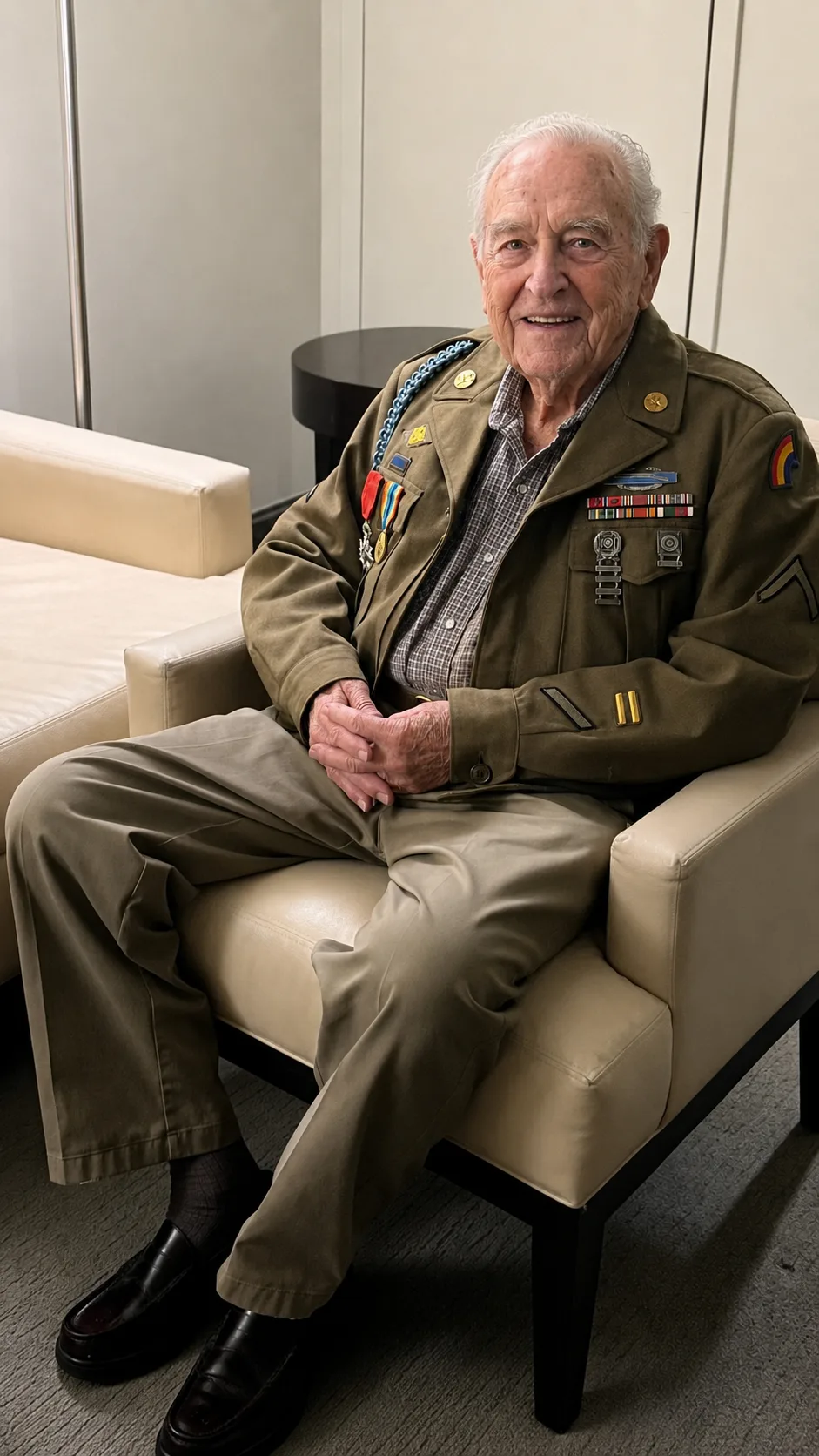
From boot camp to the hometown parade, military careers move through predictable milestones and unpredictable turns. The U.S. Armed Forces veteran described here navigated the Cold War and postwar era with the mixture of pride and practicality that many families still talk about around holiday tables.
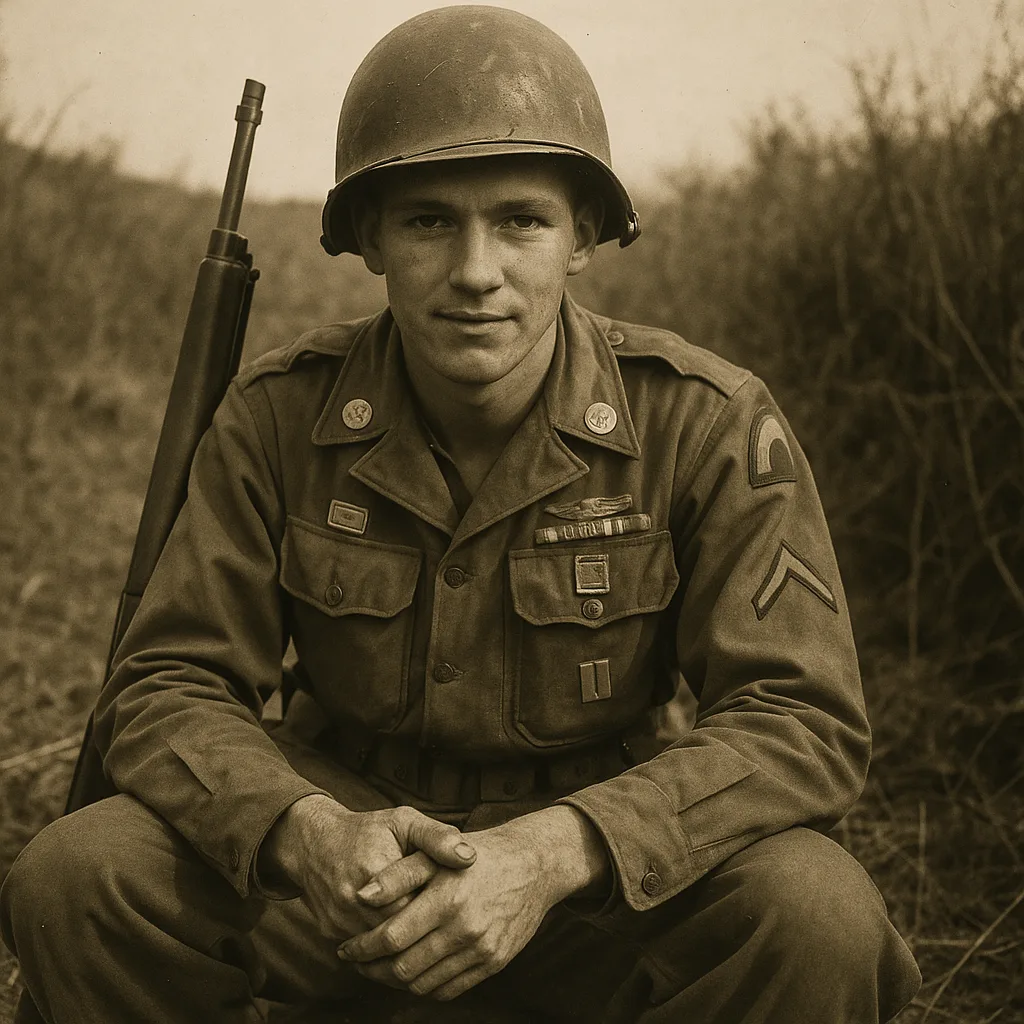
Enlistment or induction began with paperwork, a physical exam, and the first haircut that made civilian life feel distant. Like thousands of peers, he reported to a training installation where the U.S. Armed Forces emphasized fundamentals before specialization.
Boot Camp to Assignment
Live-fire ranges and obstacle courses turned theory into practice. Mistakes on training ground could be corrected; the U.S. Armed Forces built that margin into schedules because the Cold War and postwar era assignments would not always offer second chances.
Digitizing the image preserves stitching on hats and ribbons that fade in the original. Grandchildren zoom in on details veterans describe from memory: a buddy’s nickname, a patch half hidden by shadow.
Community relations projects connected installations with nearby towns through sports leagues, volunteer days, and open houses.
Service Stories
Promotions combined test scores, evaluation reports, and reputations built over years. Fair or not, paperwork followed merit and memory alike.
Officers rotated; noncommissioned officers often stayed the institutional memory. Veterans remembered sergeants and petty officers long after they forgot headquarters directives.
Veterans sometimes record messages years apart, correcting earlier mistakes with gentle precision. Both versions belong in family archives.
Some veterans hid medals in drawers, preferring to be known as coach, machinist, teacher, or neighbor first. Identity after uniform is personal and should not be forced.
After the Uniform
Nightmares and startle responses were not always named in earlier eras, yet families noticed changed sleep. Peer coffee groups sometimes helped more than formal programs initially.
When asked what he wanted remembered, he often named friends who did not return—redirecting praise toward absence that still ached.
Later decades often found him at color guard details in school gyms, fundraising cookouts for wounded comrades, or driving neighbors to medical appointments when driving became difficult.
Teaching the Next Generation
If he had a lesson for young people, it was practical: show up on time, tell the truth when you make a mistake, and vote like someone else paid for the privilege.
Communities grow stronger when ceremonies include biographical detail—unit, theater, years served—not only synchronized rifle salutes.