Honoring a Lifetime of Service: The Legacy of a Distinguished Veteran
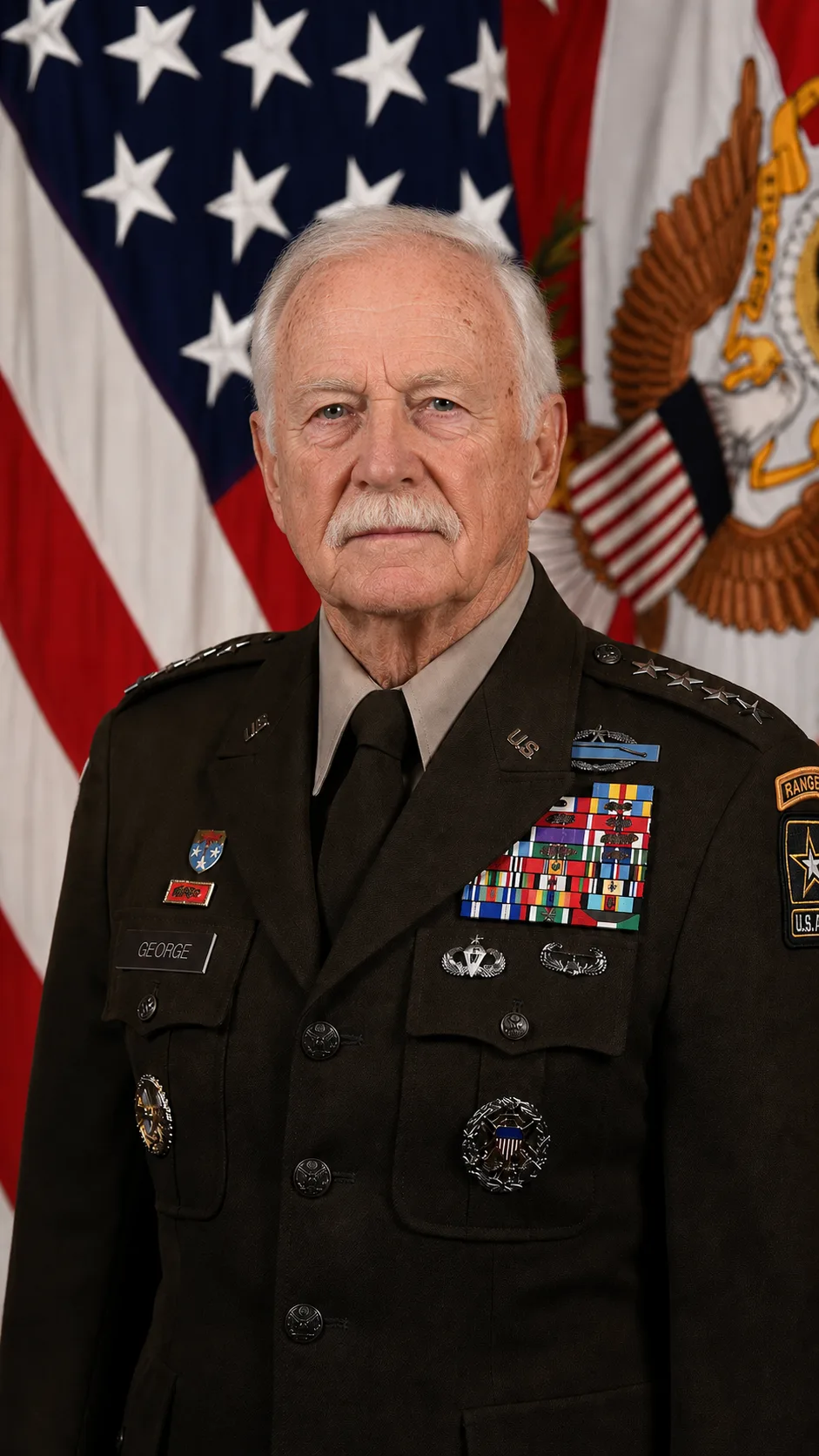
Service during the Cold War and postwar era tested Americans in ways that peacetime rarely does. For members of the U.S. Armed Forces, that meant orders that could not be postponed, equipment that had to work, and squads that depended on one another without exception.
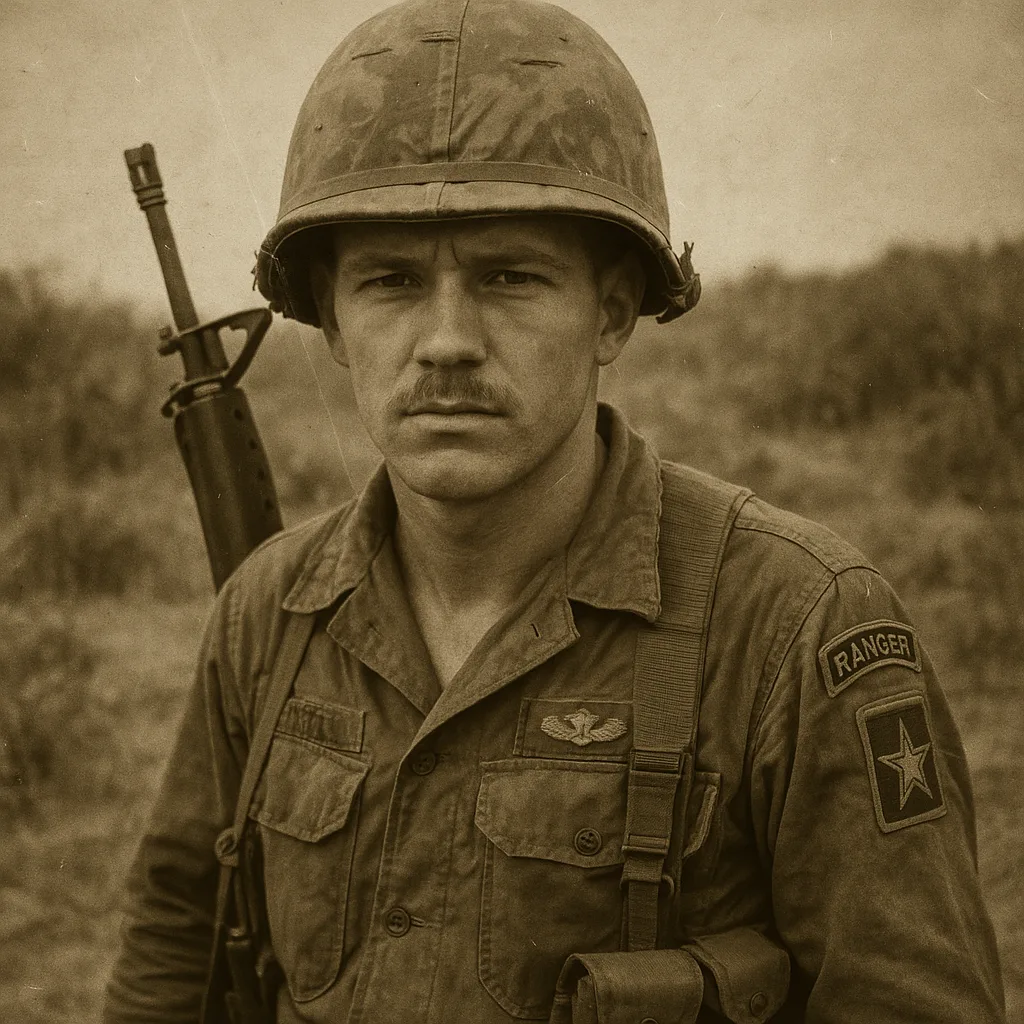
Letters home from training often underplayed difficulty and overstated meals. Families read between the lines, knowing that U.S. Armed Forces instruction during the Cold War and postwar era was designed to stress the body and focus the mind.
First Orders
Some remembered training as the hardest part; others said later assignments surpassed it. Either way, U.S. Armed Forces schooling during the Cold War and postwar era established vocabulary and reflexes that lasted lifetimes.
Caption notes in pencil—“Taken at Fort ___, spring of ___”—are gifts to genealogists. Even partial information narrows searches in regimental histories and base newspapers.
Assignments during the Cold War and postwar era ranged from garrison duty to overseas rotations that families tracked on kitchen calendars. Structure—inspections, maintenance, qualifications—kept units ready.
The Hard Miles
Joint exercises and coalition training tested whether branches could communicate under stress. That interoperability became standard in later decades.
Squad mates and bunkmates remained names he could list years later—where they grew up, what they laughed about, which ones did not come home. Reunions were as much about accounting for absence as celebrating presence.
Short testimony often contains place names worth writing down even when the speaker dismisses them as ordinary. Those details anchor genealogy and local history projects.
Children who mailed drawings overseas met a parent changed by distance and responsibility. Rebuilding everyday trust took time and small rituals—bedtime stories, weekend chores, honest answers.
Peace and Paperwork
Not every transition was smooth. Hearing loss, joint injuries, or delayed-onset conditions appeared in medical records years later. Steady care and steady work helped many thrive.
He corrected documentary errors about insignia or campaigns when accuracy slipped. Quiet correction protected unit memory.
Unit associations and online groups kept photographs circulating long after reunions ended. Digital archives extended kitchen-table albums.
Neighbors Remember
He discouraged myth-making. When schools asked for “hero” stories, he talked instead about supply sergeants, mail clerks, and nurses who never made posters but kept units alive.
Honor rolls and headline titles summarize a life; they do not replace it. The paragraphs above aim to restore texture that generic tribute often skips.