A Hero's Journey: The Legacy of a World War II Veteran
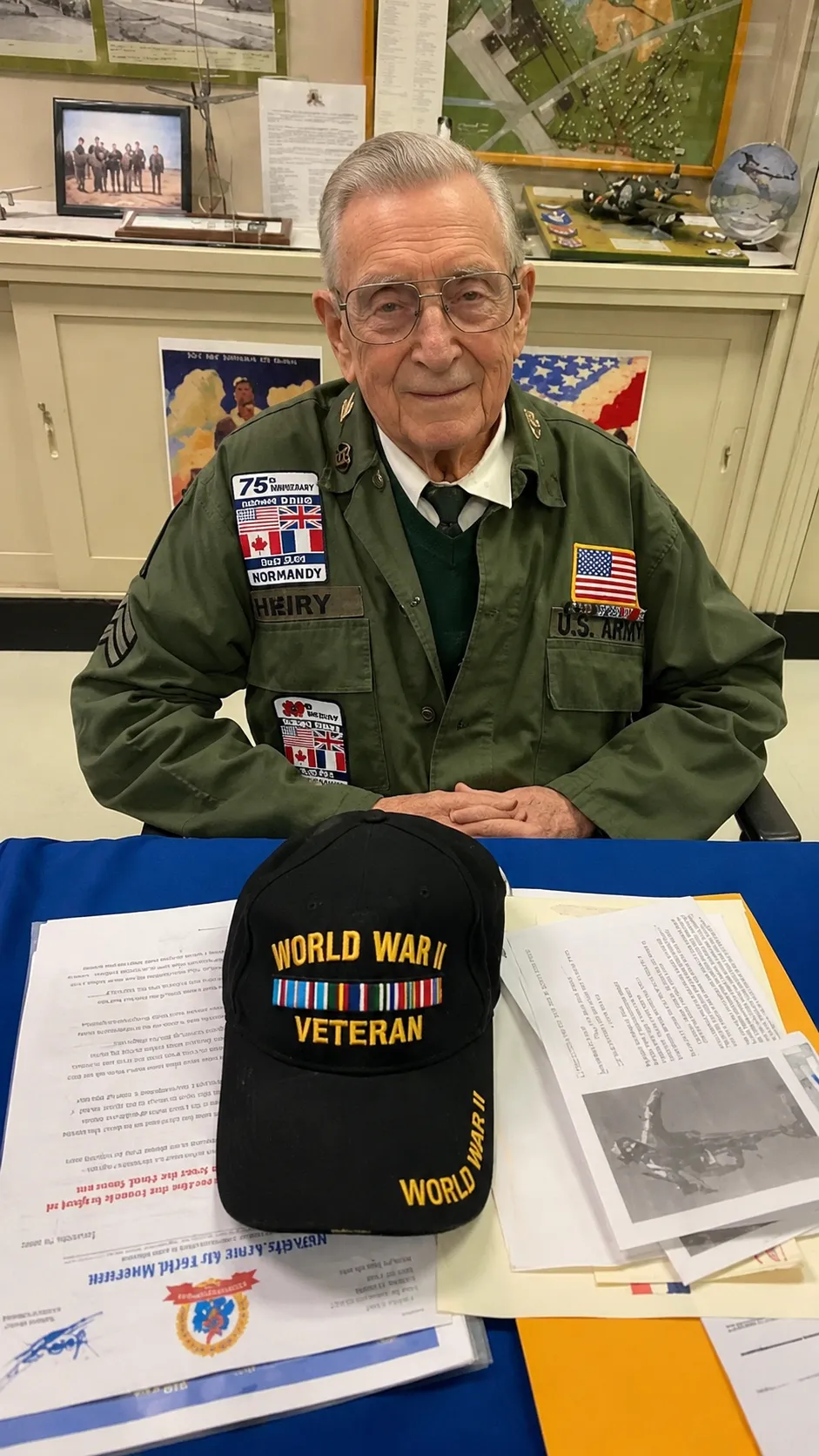
Across the United States, communities still gather each year to recognize men and women who wore the uniform. The veteran at the heart of this story served with the U.S. Armed Forces during World War II, and his path reflects the quieter side of military history: long training days, letters home, and friendships that outlasted any single deployment.
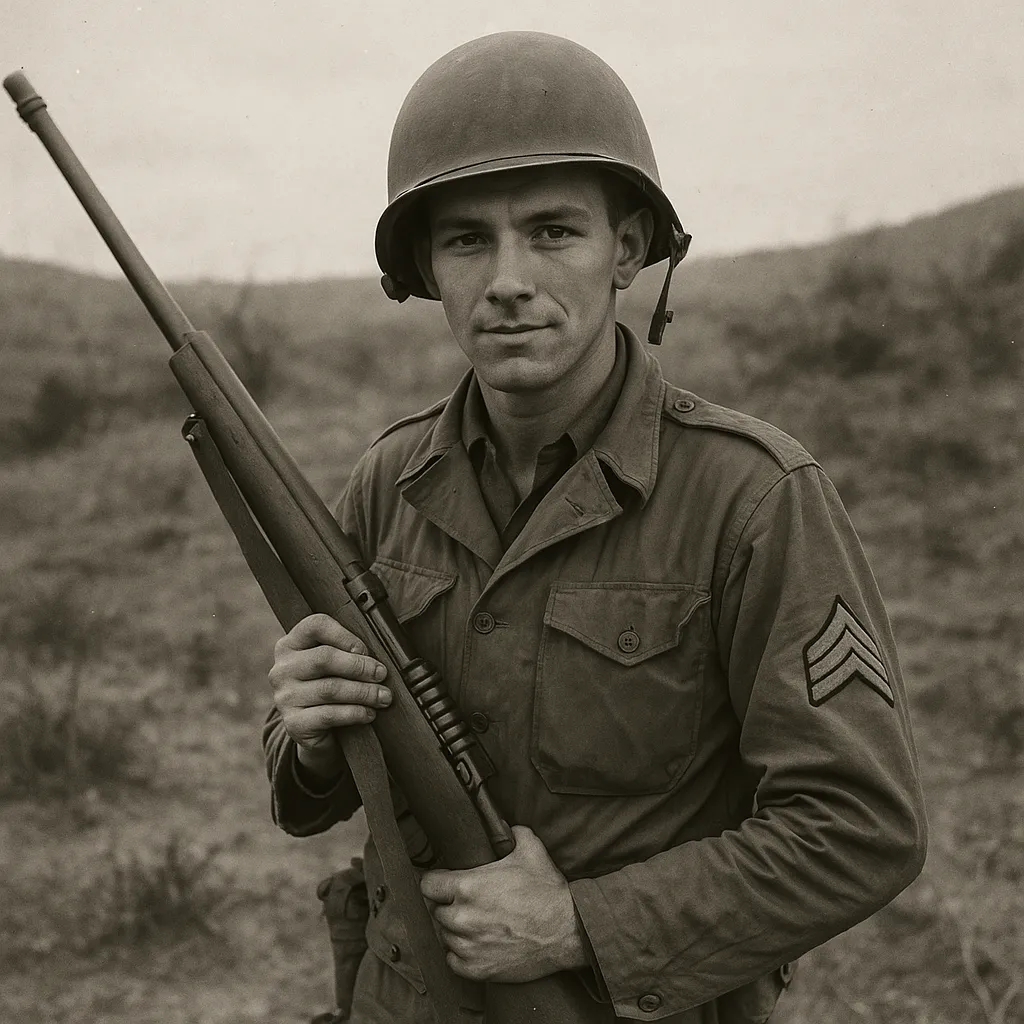
The decision to join the U.S. Armed Forces may have come from family tradition, economic need, or a sense of obligation during World War II. Whatever the motive, the result was the same: early mornings, shared barracks, and instructors who insisted that sloppy habits got people hurt.
Reporting for Duty
Night problems taught navigation, noise discipline, and patience when plans changed at dusk. Many veterans say those nights were when they first understood leadership as responsibility rather than rank.
Unit portrait sessions were formal affairs, yet candid shots like this one reveal more personality. A slight squint, a hand on a shoulder, the way a cap is tilted—these cues matter to oral historians.
Engineers built bridges under fire; medics stabilized casualties before evacuation; clerks kept pay records accurate when names changed weekly. Every role mattered to the whole.
Campaign and Garrison
Coalition warfare introduced British, French, and other partners with their own doctrine and humor. Learning to work together was part of winning during World War II.
Food was rarely memorable for taste yet always memorable for circumstance—hot chow after a cold night, coffee before dawn patrol, holiday meals eaten close to danger.
Community stations occasionally air segments like this during remembrance weeks. Radio and video preserve accents and pacing that print alone cannot.
Nightmares and startle responses were not always named in earlier eras, yet families noticed changed sleep. Peer coffee groups sometimes helped more than formal programs initially.
Civilian Life
Buying a home through veteran loan programs turned service into collateral for stability. That paperwork, tedious at the time, shaped neighborhoods for decades.
Later decades often found him at color guard details in school gyms, fundraising cookouts for wounded comrades, or driving neighbors to medical appointments when driving became difficult.
He mentored younger veterans through benefits paperwork, interview clothing, and the questions recruiters prefer. That guidance rarely appeared in brochures but mattered immensely.
Shared Memory
He kept a drawer of programs from dedications and funerals, evidence that remembrance is recurring work, not a single speech.
Students researching World War II should pair textbooks with local cemetery walks and archive visits. History lives in both.